Applications
Flexible Stone Veneer in the Bathroom and Shower
By Stoneart · · 4 min read
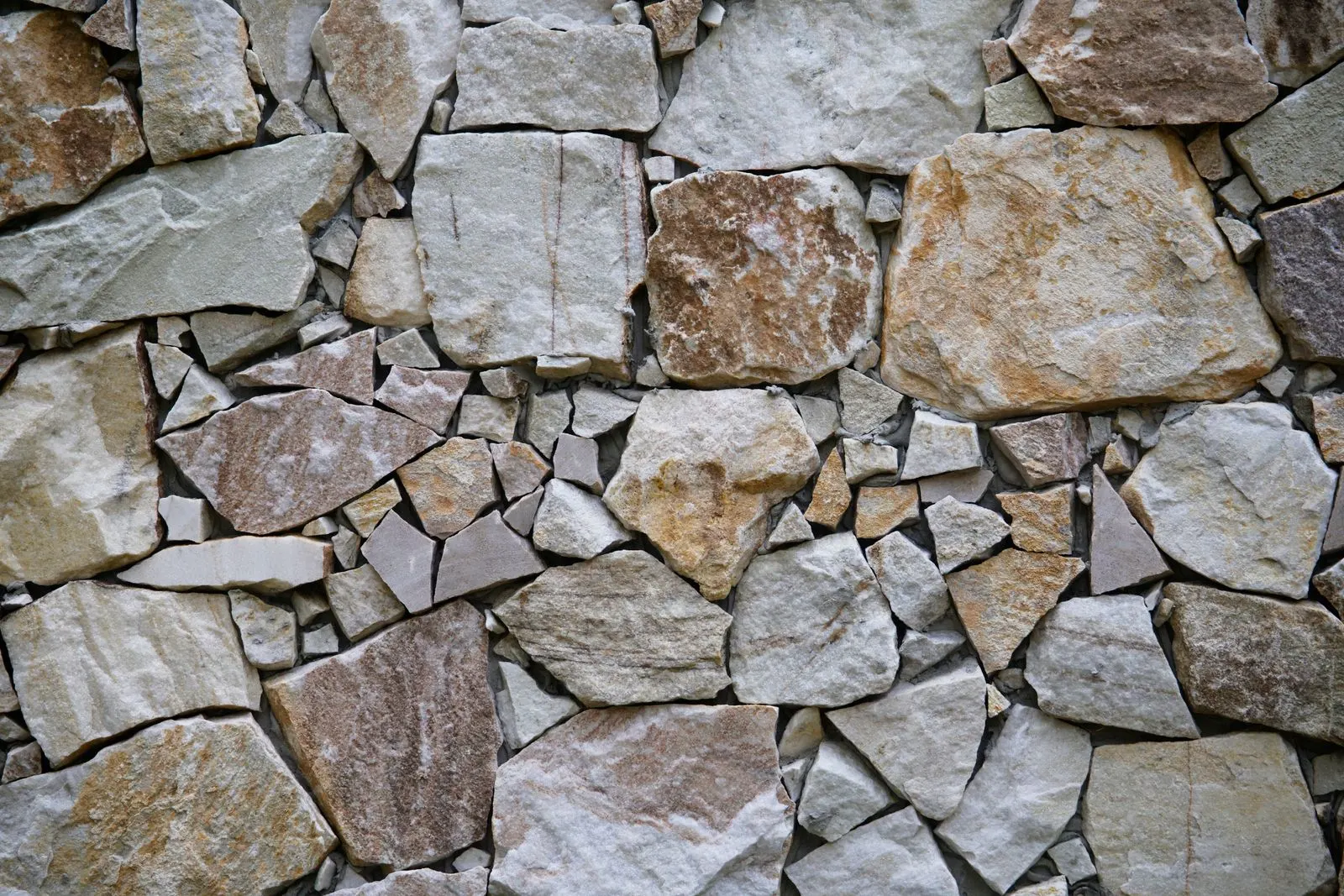
Flexible stone veneer can be used in bathrooms and even inside shower enclosures, which is one of its most popular uses in Indian homes. The sheet is thin, light and bends to wrap around niches and corners that solid stone slab cannot reach.
For wet areas, the rules are tighter than for a dry living-room wall. This guide covers what you can do, what your installer should do, and what to confirm with your supplier before you commit.
Why veneer suits bathrooms
- Thin and light. Sheets about 1.5 to 2 mm thick weigh roughly 1.5 to 2 kg per square metre, so they place little load on an existing wall.
- Large sheets, few joints. With sheets up to 1220 × 2440 mm, a single piece can run from floor to ceiling. Fewer joints mean fewer places for water to find a way in.
- Flexible. Veneer wraps curves, niches, pillars and vanity fronts in ways slab or tile cannot.
- Real stone surface. The visible face is natural stone, so each wall has its own character and tone.
Which stones work best in a bathroom
Most stones in the Stoneart range suit bathrooms visually. The practical choice usually comes down to colour and how dense the stone is.
- [Lima White](/products/natural-stone/lima-white) and [Fantasy White](/products/natural-stone/fantasy-white) keep bathrooms bright, with soft marble veining.
- [Aqua Bianco](/products/natural-stone/aqua-bianco) limestone gives a calm, pale finish for spa-style rooms.
- [Tinos Green](/products/natural-stone/tinos-green) and [Rain Forest Green](/products/natural-stone/rain-forest-green) make a bold feature wall behind a vanity.
- [K Black](/products/natural-stone/k-black) or [Dark Grey](/products/natural-stone/dark-grey) work for darker, hotel-style bathrooms.
- Poly Stone travertines such as [White Vein Travertine](/products/poly-stone/white-vein-travertine) give the classic travertine look in a larger format.
A soft, more porous stone such as marble generally needs more care in wet areas than a dense slate or quartzite. Ask your supplier which stones they recommend for shower use.
What makes a bathroom installation work
Three things matter more than the stone itself: the wall behind it, the adhesive and the finishing at edges and joints. In general practice:
- Prepare the surface. The wall should be clean, dry, flat and sound. Industry guides advise feeling for bumps and ridges and filling them before fixing anything.
- Use a tile adhesive the installer trusts. Standard tile adhesives are commonly used; follow both the adhesive maker's and the veneer supplier's instructions.
- Seal the stone before and after fixing. Natural stone and especially marble are porous. A penetrating stone sealer helps the surface resist water, soap and oil marks. Reseal from time to time as recommended by the sealer brand.
- Finish edges and joints neatly. Corners, niches, worktops and anywhere water pools need extra care, usually a flexible silicone or a matching trim. Butt-jointed sheets look best when joints are tight and well filled.
- Behind a shower, keep the waterproofing underneath. Veneer is a surface layer, not a replacement for a proper waterproofing membrane behind the wall.
Three places to use it in a bathroom
- The vanity wall. A single large sheet behind the mirror gives a seamless feature.
- The shower back wall. A dark or veined stone with the light hitting it looks like a hotel bathroom.
- The bath apron and niches. Thin, flexible sheets wrap curves and small niches cleanly.
Common questions
Is flexible stone veneer waterproof?
Industry sources describe flexible stone veneer with resin and fibreglass backing as resistant to water and suitable for wet areas such as showers. In practice, "waterproof enough for a bathroom" depends on the stone, the backing, the sealer and how carefully edges and joints are finished. Confirm with your supplier for the specific product and location you have in mind.
Does it need to be sealed?
For a bathroom or shower, yes. A penetrating stone sealer helps the stone face resist water, soap and oils. Reseal periodically to keep that protection working.
Can I put it directly inside the shower enclosure?
Yes, people do, but only with a properly waterproofed wall underneath, a good adhesive, well-finished edges and periodic sealing. Treat it like a tile installation: the layers behind the stone matter as much as the stone itself.
Next steps
Browse the full Natural Stone range or the Poly Stone travertines, or contact Stoneart to request samples and talk through the bathroom you are planning.